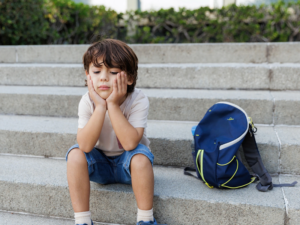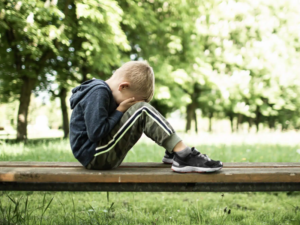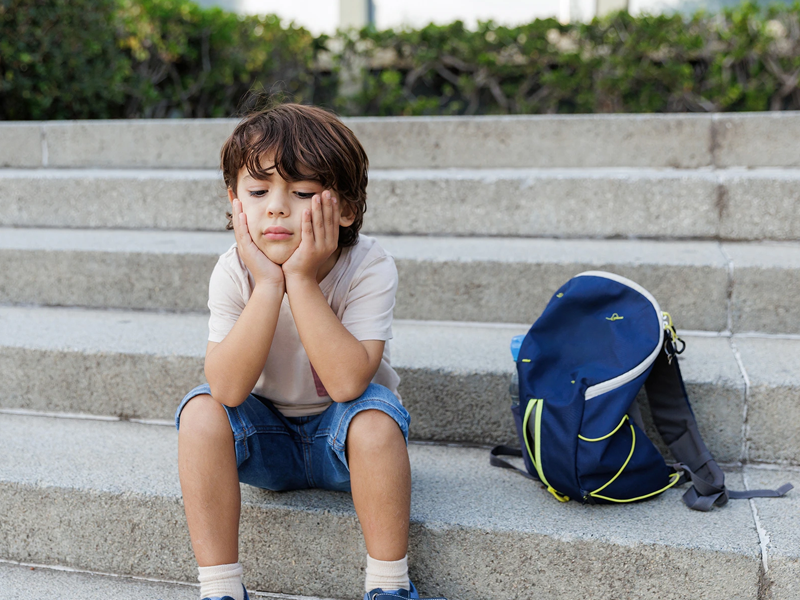
Loneliness isn’t just an adult issue. Many children experience loneliness at different stages of their development—even when they seem surrounded by classmates, siblings, or activities. Because children don’t always have the words to explain how they feel, loneliness can easily go unnoticed. Recognizing the signs early and responding with understanding can make a meaningful difference in a child’s emotional well-being.
This guide explores common signs of loneliness in children and practical, supportive steps parents can take to help.
What Does Loneliness Look Like in Children?
Loneliness in children doesn’t always look like sadness or tears. Often, it shows up through subtle behavioral or emotional changes. A child can feel lonely even if they have friends, attend school regularly, or participate in extracurricular activities.
Children may feel lonely when they struggle to connect emotionally, feel misunderstood, experience social rejection, or go through changes such as moving, family transitions, or shifts in friendships.
Common Signs Your Child Might Be Feeling Lonely
1. Withdrawal from Activities They Once Enjoyed
If your child suddenly loses interest in hobbies, playdates, or family activities they previously loved, it may signal emotional disconnection. This withdrawal can be a quiet way of coping with feelings they don’t know how to express.
2. Changes in Mood or Behavior
Loneliness can show up as irritability, mood swings, increased sensitivity, or frequent frustration. Some children may become unusually quiet, while others may act out or seek attention through negative behaviors.
3. Frequent Complaints of Boredom
Persistent boredom can sometimes mask loneliness. When children say they’re bored despite having options to engage, they may be expressing a deeper lack of emotional connection rather than a lack of stimulation.
4. Physical Complaints Without a Clear Cause
Headaches, stomachaches, or fatigue—especially around school time or social situations—can be physical manifestations of emotional distress, including loneliness.
5. Difficulty Making or Keeping Friends
Struggles with peer relationships, frequent conflicts, or feeling left out at school may leave a child feeling isolated. Even socially active children can feel lonely if their relationships lack depth or emotional safety.
6. Excessive Screen Time or Preference for Solitude
While alone time is healthy, consistently choosing screens over human interaction or avoiding social situations altogether can indicate a desire to escape uncomfortable feelings.
Why Childhood Loneliness Matters
Loneliness isn’t just an emotional state—it can affect a child’s self-esteem, academic performance, and long-term mental health. Prolonged feelings of loneliness may increase the risk of anxiety, depression, and difficulty forming healthy relationships later in life.
Addressing loneliness early helps children develop emotional awareness, resilience, and strong interpersonal skills.
What Parents Can Do to Help
1. Create a Safe Space for Open Conversation
Let your child know their feelings matter. Ask open-ended questions like, “How have things been feeling for you lately?” or “Who do you enjoy spending time with at school?” Listen without interrupting or immediately trying to fix the problem.
Sometimes, feeling heard is the first step toward feeling less alone.
2. Validate Their Feelings
Avoid dismissing loneliness with phrases like “You’re fine” or “Everyone feels that way sometimes.” Instead, acknowledge their emotions: “That sounds really hard” or “I’m glad you told me how you’re feeling.”
Validation builds trust and emotional security.
3. Strengthen Connection at Home
Consistent quality time can be incredibly powerful. Shared meals, short daily check-ins, reading together, or simple routines help children feel emotionally connected and valued.
Children who feel secure at home are better equipped to navigate social challenges elsewhere.
4. Support Healthy Social Opportunities
Encourage—but don’t force—social interaction. This might include playdates, clubs, sports, or community activities aligned with your child’s interests. Smaller, low-pressure settings often feel safer for children who struggle socially.
5. Teach Social and Emotional Skills
Some children feel lonely because they don’t know how to initiate friendships or handle social conflict. Role-play conversations, discuss empathy, and model healthy communication to build confidence and social understanding.
6. Monitor Without Judging
Pay attention to changes in behavior, sleep, or mood over time. Gentle observation allows you to respond thoughtfully rather than reactively.
If loneliness seems persistent or is affecting your child’s daily functioning, consider seeking guidance from a school counselor or child mental health professional.
When to Seek Extra Support
Occasional loneliness is normal. However, professional support may be helpful if your child:
- Expresses persistent sadness or hopelessness
- Shows ongoing withdrawal from peers or family
- Experiences declining academic performance
- Displays signs of anxiety or depression
Early support can prevent loneliness from becoming a deeper emotional struggle.
Final Thoughts
Loneliness in children is more common than many parents realize—and it’s not a reflection of parenting failure. By noticing the signs, staying emotionally present, and offering gentle guidance, you can help your child feel seen, supported, and connected.
Sometimes, what children need most isn’t a solution—but reassurance that they’re not alone in how they feel.