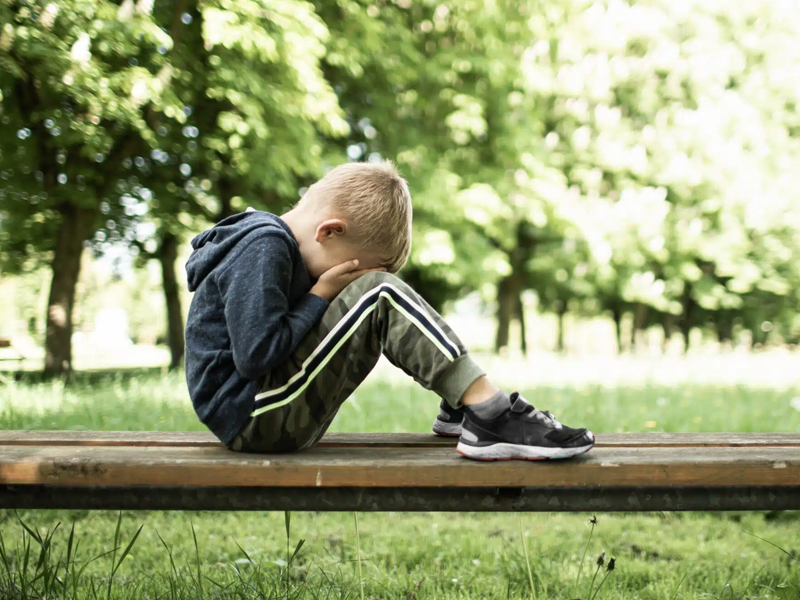
Moving to a new home can be an exciting fresh start for adults—but for children, it often brings fear, isolation, and a deep sense of loss. Leaving behind familiar routines, friends, teachers, and neighborhoods can make a child feel uprooted and alone. If your child is struggling after a move, you’re not alone—and more importantly, neither are they.
Understanding why children feel lonely after relocating and knowing how to support them emotionally can make a lasting difference in how they adjust.
Why Moving Is Emotionally Hard for Children
Children thrive on stability. When they move, they don’t just lose a physical space—they lose a sense of belonging. Even positive moves can feel overwhelming because children often lack the emotional tools to process sudden change. Common emotional responses include:
- Withdrawal or quiet sadness
- Increased irritability or emotional outbursts
- Anxiety about school or social situations
- Regression in behavior (clinginess, sleep issues)
- Reluctance to talk about feelings
These reactions are normal. Loneliness doesn’t mean your child isn’t resilient—it means they’re human.
How Loneliness Shows Up Differently by Age
Children experience and express loneliness in age-specific ways:
Young children may become more dependent, have trouble sleeping, or struggle with separation.
Elementary-age children often feel left out, miss old friends intensely, or feel unsure about how to make new ones.
Preteens and teens may internalize their emotions, withdraw socially, or mask sadness with indifference.
Recognizing these patterns helps parents respond with empathy instead of pressure.
How Parents Can Support Emotional Adjustment
Helping a child overcome loneliness after a move isn’t about fixing the feeling—it’s about walking through it together.
1. Validate Their Feelings
Avoid minimizing emotions with phrases like “You’ll make new friends soon.” Instead, acknowledge the loss:
- “It makes sense that you miss your friends.”
- “Starting over can feel really hard.”
Validation helps children feel understood and safe in expressing themselves.
2. Maintain Familiar Routines
Predictability creates emotional security. Keep bedtime rituals, family meals, and weekend traditions consistent. Familiar routines reassure children that while the environment has changed, their support system hasn’t.
3. Encourage—but Don’t Force—Social Interaction
Children need opportunities to connect, but forcing friendships can backfire. Gently support involvement in:
- Sports or extracurricular activities
- Art, music, or hobby classes
- Community events or youth groups
Let connections grow naturally and at your child’s pace.
4. Help Them Practice Social Skills
Some children feel anxious because they don’t know how to start over socially. Role-playing simple scenarios—introducing themselves, joining a game, or starting a conversation—can boost confidence without pressure.
5. Stay Connected to Old Friends (in Healthy Ways)
Allowing phone calls, messages, or video chats can provide comfort. However, balance is key—too much focus on the past can make it harder to invest emotionally in the present.
Creating a Sense of Belonging at Home
Home should feel like an emotional anchor, especially during transitions.
- Give your child control over decorating their room
- Explore the new neighborhood together
- Create new family traditions tied to the new location
When children feel grounded at home, they’re more confident exploring the world outside it.
When to Be Patient—and When to Seek Extra Support
Adjustment takes time. For many children, loneliness fades within a few months as familiarity grows. However, consider additional support if you notice:
- Persistent sadness or withdrawal beyond 3–6 months
- Declining academic performance
- Ongoing anxiety or physical complaints
- Refusal to engage socially at all
A school counselor or child therapist can help children process emotions and build coping strategies in a healthy, age-appropriate way.
Helping Your Child Build Resilience Through Change
While loneliness after a move is painful, it can also become a powerful learning experience. With compassionate support, children develop emotional resilience, adaptability, and confidence in navigating new environments.
Your role isn’t to eliminate discomfort—it’s to reassure your child that they don’t have to face it alone. With patience, consistency, and empathy, the “new kid” phase becomes a chapter, not a permanent identity.
Final Thought
Every move reshapes a child’s world in meaningful ways. It reflects what they’ve had to leave behind, while also opening space for growth, resilience, and self-discovery. With patient guidance and emotional support, parents can help children understand that change does not erase belonging—it expands it.
Even in new and unfamiliar surroundings, children can learn to build connections, develop confidence, and find a sense of home again through care, consistency, and trust.